If you’ve ever looked up a home on Zillow, chances are your eyes went straight to the Zestimate. That big, bold number feels official — almost authoritative. For buyers, it can shape expectations. For sellers, it can spark excitement or panic.
But here’s the truth most people don’t realize until it costs them money: a Zestimate is not a home’s value — it’s an algorithm’s guess. And guesses can be very wrong.
Let’s break down why you can’t fully trust a Zestimate and what actually determines a home’s real market value.
1. A Zestimate Is Based on Data — Not Reality
Zillow’s Zestimate is created by an automated algorithm that pulls from public data sources like tax records, previous sales, and nearby listings. What it doesn’t see is often the most important stuff.
The algorithm can’t walk through the home. It doesn’t know:
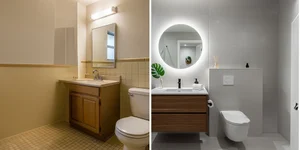
If the kitchen was remodeled last year or stuck in 1992
Whether the roof is brand new or nearing the end of its life
If the layout feels open and inviting or awkward and choppy
How much natural light the home gets
Whether the backyard backs up to a peaceful park or a busy road
Two homes can have the same square footage, year built, and lot size — yet sell for dramatically different prices because of condition, updates, and overall feel. A Zestimate can’t account for that human element.
2. Small Data Errors Can Create Big Price Swings
Zestimates rely heavily on public records, and those records are often outdated or flat-out wrong.
Common issues include:
Incorrect square footage
Missing bedrooms or bathrooms
Finished basements not counted
Renovations never recorded with the county
If Zillow thinks your home is 1,800 square feet when it’s actually 2,300, the value will be skewed — sometimes by tens of thousands of dollars. And homeowners rarely check those details until something looks “off.”
3. Zestimates Struggle in Changing Markets
Algorithms are backward-looking by nature. They rely on past sales, not what’s happening right now.
In fast-moving markets, this creates problems:
When prices are rising quickly, Zestimates often lag behind
When the market cools, they can stay artificially high
Sudden shifts in interest rates or buyer demand aren’t reflected immediately
A human professional can adjust pricing based on real-time buyer behavior. An algorithm can’t feel urgency, hesitation, or competition — it can only crunch yesterday’s numbers.
4. Unique Homes Confuse Algorithms
The more “cookie-cutter” a neighborhood is, the better Zestimates perform. The more unique a home is, the worse they get.
Zestimates tend to miss the mark on:
Custom homes
Rural properties
Homes with acreage
Older homes with character
Properties in areas with few recent sales
If there aren’t strong comparable sales nearby, the algorithm fills in the gaps with assumptions — and assumptions aren’t appraisals.
5. Zillow Even Admits Zestimates Aren’t Exact
This part surprises a lot of people.
Zillow openly states that Zestimates are not appraisals and should be used as a starting point, not a definitive value. In fact, Zillow publishes its own error rates — and in many markets, the Zestimate can be off by 5–10% or more.
On a $400,000 home, that’s a $20,000–$40,000 swing.
That’s not pocket change.
So What Should You Use Instead?
A home’s true value comes down to what a buyer is willing to pay in today’s market — and that’s best determined by combining data and human insight.
Better alternatives include:
A Comparative Market Analysis (CMA) from a local real estate professional
Recent comparable sales that actually match your home’s condition and features
Local market knowledge about buyer demand, pricing strategy, and timing
An experienced agent doesn’t just look at numbers — they interpret them.
The Bottom Line
Zestimates are easy. They’re fast. And they’re tempting to believe.
But they’re also incomplete.
If you’re buying or selling a home, trusting an automated estimate alone can lead to overpricing, underpricing, or missed opportunities. Use Zestimates as a conversation starter, not a final answer.
When real money is on the line, nothing replaces local expertise and a true market evaluation.